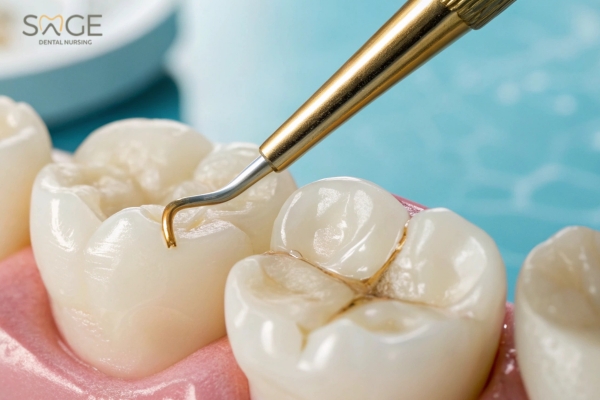
Top 20 Dental Nursing Skills for Future Professionals
Top 20 Dental Nursing Skills Every Student Should Learn Before Qualification
Dental nursing is a rewarding profession that blends patient care, technical skill, and teamwork. Before qualification, every dental nurse must develop a mix of clinical, interpersonal, and organisational skills that prepare them for success in modern dentistry. AtSAGE Dental Nursing, these essential skills are taught through NEBDN-approved courses designed to provide practical experience and academic knowledge. Below are twenty vital skills that every dental nursing student should master before becoming fully qualified.
1. Communication SkillsBuilding Patient ConfidenceEffective communication helps patients feel comfortable and informed during treatment. Dental nurses must listen carefully, explain procedures clearly, and respond to patient concerns with empathy. According to the General Dental Council, strong communication improves both safety and satisfaction in dental care.
Team CommunicationDental nurses collaborate closely with dentists, hygienists, and reception staff. Clear communication prevents misunderstandings and ensures smooth workflow throughout the practice.
Ways to improve communication
Practise active listening and empathy
Confirm understanding by repeating key instructions
Maintain a calm, friendly tone
Document patient feedback accurately
Verbal
Explaining post-treatment care
Non-verbal
Maintaining eye contact and calm posture
Written
Updating patient charts correctly
2. Manual DexterityDental nurses work with precision tools in confined spaces, so excellent hand-eye coordination is crucial. Handling instruments confidently allows procedures to run smoothly and safely.
Tips For Enhancing Dexterity
Practice fine motor tasks such as suturing simulations or dental model work
Keep hands steady through relaxation exercises
Train regularly in clinical labs to build familiarity with instruments
A 2023 study in the British Dental Journal showed that early manual-skill training can reduce instrument handling errors by 25 percent.
3. Infection Control And PreventionMaintaining a sterile environment protects both patients and dental teams. Every nurse must understand how infections spread and follow strict protocols to prevent cross-contamination.
Core Practices
Wash hands before and after each patient
Wear protective gloves, masks, and eyewear
Sterilise instruments thoroughly
Dispose of clinical waste safely
SAGE Dental Nursing integrates infection control into itsDental Nursing Course, aligning training with NHS and GDC safety standards.
4. Record Keeping And DocumentationAccurate documentation ensures continuity of care and legal protection. Dental nurses must record patient histories, treatments, and outcomes clearly and promptly.
Best Practices For Record Accuracy
Enter details immediately after each appointment
Double-check spelling and numerical data
Use secure electronic systems for data protection
Digital record-keeping has been shown by NHS Digital to reduce administrative errors by nearly 30 percent, improving overall patient management.
5. Chairside AssistanceChairside assistance involves anticipating the dentist’s needs and ensuring smooth procedures. Good coordination improves speed, accuracy, and patient comfort.
Core Tasks
Pass instruments efficiently
Maintain a dry field using suction
Prepare and mix dental materials
Support patients during procedures
Instrument passing
Timing and focus
Suctioning
Precision and control
Patient support
Compassion and awareness
6. Radiography AwarenessDental nurses often assist with X-ray procedures. While the dentist usually captures the image, nurses help ensure patient positioning and radiation safety.
Safety Guidelines
Follow the ALARA principle (As Low As Reasonably Achievable)
Maintain safe distance during exposure
Regularly inspect protective aprons and equipment
At SAGE Dental Nursing, students learn radiation safety as part of their pre-qualification modules.
7. Patient Care And EmpathyEmpathy is the foundation of trust in dental nursing. A caring attitude helps reduce anxiety and improves cooperation from patients.
How To Practice Empathy
Greet patients warmly and use comforting language
Pay attention to signs of discomfort
Provide clear after-care instructions
A 2024 Dental Nursing Journal survey revealed that 63 percent of patients value kindness more than speed of treatment during appointments.
8. Time ManagementDental practices rely on precise scheduling. A well-organised nurse ensures treatments start and end on time without compromising quality.
Effective Time Strategies
Prepare all instruments before the procedure begins
Prioritise urgent tasks first
Use checklists for daily routines
Plan for breaks to avoid fatigue
Good time management supports both team efficiency and patient satisfaction.
9. Knowledge Of Dental MaterialsEvery nurse must understand how different dental materials behave, including their mixing ratios, setting times, and storage needs.
Material Handling Essentials
Learn the chemical properties of commonly used materials
Maintain correct storage conditions
Label and dispose of materials according to guidelines
This technical knowledge is taught thoroughly in the NEBDN curriculum at SAGE Dental Nursing.
10. Anatomy And Physiology AwarenessUnderstanding oral anatomy helps nurses assist accurately during examinations and surgeries.
Main Study Areas
Tooth structure and numbering
Oral tissues and salivary glands
Nerves and muscles involved in facial movement
According to NHS Education England, students with strong anatomy knowledge demonstrate 35 percent higher accuracy in chairside support.
11. Teamwork And LeadershipDental care requires coordination between multiple professionals. A capable nurse knows when to lead small tasks and when to support others.
Ways To Build Teamwork
Communicate goals clearly during each procedure
Offer help proactively
Respect all team roles equally
Leadership qualities open doors to senior and management positions in dentistry.
12. Understanding Dental LegislationEvery dental nurse must understand the legal framework governing clinical practice in the UK.
Key Laws And Guidelines
General Dental Council Standards
Health And Safety At Work Act 1974
Data Protection Act (GDPR)
Care Quality Commission regulations
Have questions about enrolment, qualifications, or payment plans? Our friendly team is here to help you every step of the way Contact SAGE Dental Nursing Today
13. Emergency Response And First AidEmergencies can arise without warning, from fainting to allergic reactions. Knowing how to act swiftly saves lives.
Essential First-Aid Actions
Identify early signs of distress
Administer CPR when needed
Keep a fully stocked emergency kit on hand
NHS data shows that immediate first-aid response can increase cardiac survival rates by 60 percent.
14. Computer LiteracyModern dental practices depend on digital systems for appointments, charting, and billing. Computer proficiency is now a basic requirement.
Core Skills
Use dental software efficiently
Protect patient data through secure logins
Update patient information accurately
Computer literacy supports better communication between staff and patients while meeting data protection standards.
15. Health And Safety KnowledgeSafety in the workplace prevents accidents and ensures compliance with national regulations.
Health And Safety Essentials
Handle sharps with caution
Label hazardous materials clearly
Keep floors and walkways clear
Report and log all incidents promptly
Following Health and Safety Executive (HSE) standards helps maintain a secure dental environment.
16. Professionalism And EthicsProfessional conduct creates trust with patients and colleagues. Ethical awareness guides decision-making in complex situations.
Professional Standards
Maintain honesty and integrity
Respect patient confidentiality
Stay within your scope of practice
TheAbout Us values at SAGE Dental Nursing emphasise responsibility, respect, and reliability.
17. Adaptability And Continuous LearningDentistry changes rapidly with new techniques and materials. Successful nurses stay current through lifelong learning.
How To Stay Adaptable
Attend annual CPD sessions
Read professional journals and updates
Stay curious about innovations in dental technology
The General Dental Council recommends at least 50 hours of verifiable CPD every five years.
18. Organisation And Attention To DetailA well-organised nurse ensures no step or tool is missed during treatment.
Organisational Tips
Label drawers and trays for easy access
Maintain up-to-date inventory lists
Prepare documentation before appointments
Attention to detail safeguards against procedural errors and improves overall efficiency.
19. Confidentiality And Data ProtectionDental nurses manage sensitive information daily. Upholding confidentiality is both an ethical and legal duty.
Best Practices
Discuss patient cases. privately
Lock cabinets and log off computers when unattended
Dispose of confidential waste securely
Confidentiality strengthens professional credibility and complies with GDPR regulations.
20. Motivation And Career DevelopmentA positive mindset and continuous motivation help nurses grow professionally. At SAGE Dental Nursing, students are encouraged to set career goals and pursue further qualifications.
Career Growth Tips
Create a development plan after qualification
Seek mentorship through theInstructors Page
Stay connected with professional dental networks
Explore advanced CPD opportunities
Ready to begin your journey toward becoming a qualified dental nurse? Explore flexible, accredited training options designed for every stage of your career.Start Your Course at SAGE Dental Nursing
Clinical
Ensure safe patient care
SAGE Clinical Labs
Communication
Improve patient trust
Instructor-Led Sessions
Technical
Master procedures and tools
NEBDN Curriculum
Personal
Build professional identity
Mentorship Programmes
What Are The Most Important Skills For Dental Nurses?The most important skills are communication, infection control, and chairside assistance. These abilities build patient trust and ensure smooth treatment delivery. Developing technical knowledge and empathy also strengthens your overall performance in dental practice.
How Long Does It Take To Develop These Skills?It usually takes 12 to 24 months to master these competencies through structured training. The flexible learning model at SAGE Dental Nursing allows students to balance study and work while gaining valuable clinical experience from expert tutors.
Do I Need Experience To Start Dental Nurse Training?No previous experience is necessary. The NEBDN-approved programs at SAGE teach all fundamental skills from the ground up. Students receive continuous support from instructors who help them apply classroom knowledge in real clinical settings.
Are These Skills Required For GDC Registration?Yes. The General Dental Council expects dental nurses to demonstrate competence in infection control, communication, patient care, and ethical conduct. Completing an accredited qualification ensures compliance with these standards.
How Can I Continue Improving After Qualification?After qualification, join CPD courses, attend professional workshops, and seek mentorship. Engaging with continuous learning enhances your clinical confidence and keeps you updated with evolving industry practices.
Building these twenty essential skills before qualification will make you a confident, competent, and employable dental professional. With guidance fromSAGE Dental Nursing, you can gain these abilities through flexible courses, practical training, and supportive mentorship, preparing you for a successful and fulfilling dental nursing career in the United Kingdom.